Teeth: Chew On It! | Science Trek
Sept. 3You can tell a lot about an animal by the teeth it has. Birds and frogs don’t have teeth. Birds use their beaks to eat insects, nuts, and seeds, while frogs have sticky tongues to accommodate their diets. Cows have flat, broad teeth for chewing up grass. In nature, animals have teeth that suit their diets. The same goes for humans. Watch this video on PBS LearningMedia to discover the anatomy of your mouth and how our teeth support our omnivorous diets!
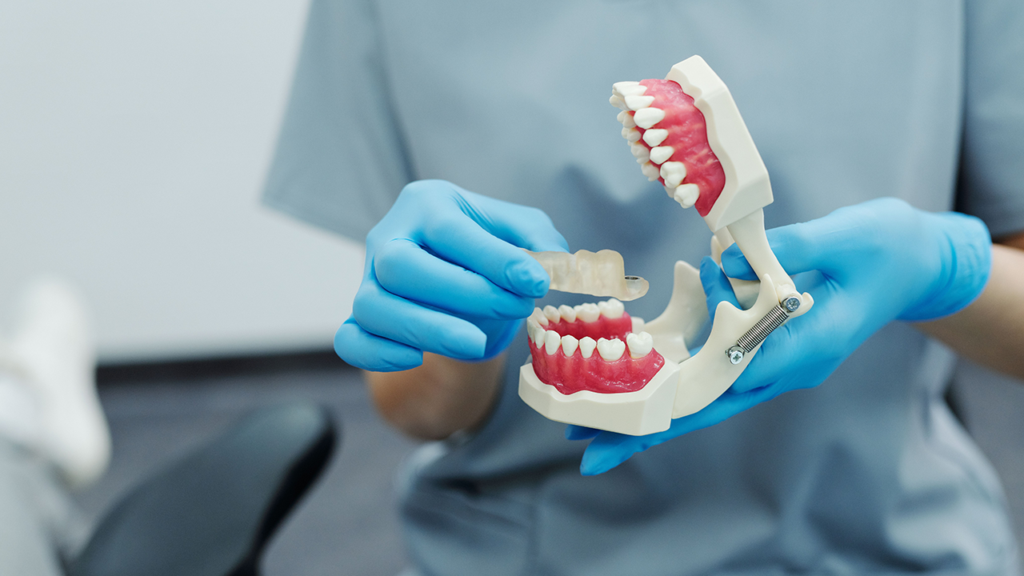
Adults have about 32 teeth, the front being incisors for biting food, then next to those are the canines, or cuspids, used for tearing up food. In the back of our mouths, we have premolars and molars, which are flat and used for chewing. These teeth are encased in pink tissue, which are our gums, and held together by our jaw bone. We first have baby teeth, which fall out and are replaced by our permanent adult teeth.
The teeth themselves have three parts: the enamel, dentin, and pulp. Enamel is the hardest substance in the human body. It encases and protects the teeth. Below that is dentin and pulp, which covers the nerves and blood vessels within your teeth. Plaque and bacteria can also coat your teeth, which eats away and causes cavities! This is why brushing and flossing your teeth is so important.
Using your newfound knowledge of your teeth, make sure you brush your teeth twice a day and floss before bed. Establish a good dental hygiene routine early so you can take better care of your permanent adult teeth in the future. Share this video with a friend or family member so they know the anatomy of their mouth and how they can take care of it! Keep your teeth clean, happy, and healthy.