Math at a Dentist
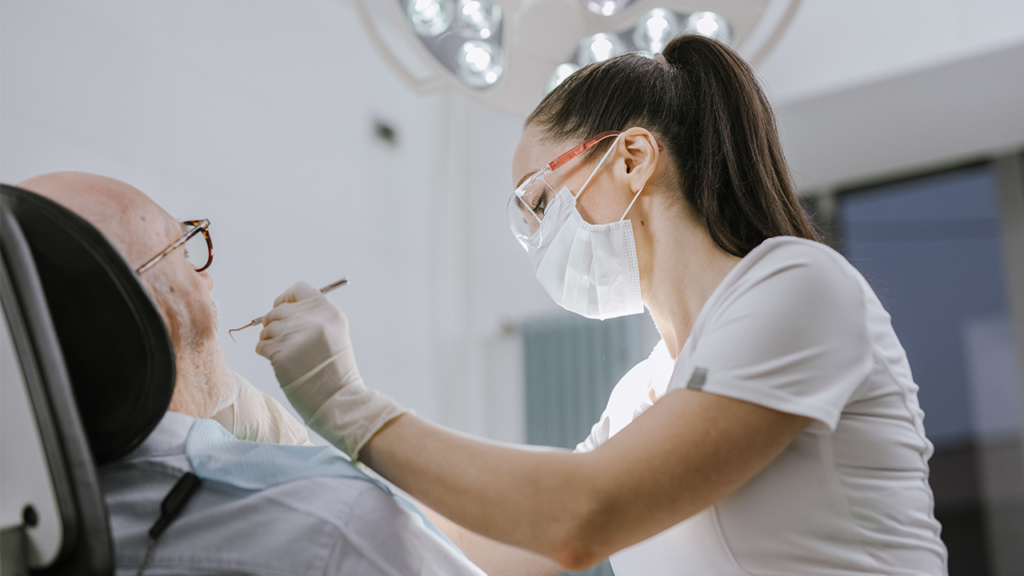
Sept. 3When you’re in school, it’s important to pay close attention in math class because math has many real world uses. Whether you want to be a doctor, a construction worker, or a dentist, math will be an important part of your career. In this video on PBS LearningMedia, discover how math is used at the dentist’s office, from measuring medicine to counting minutes in a business day to estimate the number of appointments the office can take.
Fractions are a very important part of dentistry. When numbing a patient for a procedure, the amount of the numbing agent used is measured for effectiveness and how much a child of a certain age can handle. Dentists also need to be able to count your teeth and estimate the number you’ll have, or determine whether you’re missing teeth or have extra ones! Those are called supernumery teeth, or, as Dr. Joel Richards calls them, super power teeth! It’s also valuable to know the metric system when measuring the distance between two teeth or how close they are to the nerve of that tooth.
It’s not just the dentists that need math! Dentists’ offices have to predict the number of minutes an appointment might last, which impacts the amount of appointments they can make in a day. For example, if a dental hygienist typically takes 30 minutes with their patients, they can have about 15 appointments done in a day. That’s 450 minutes!
Math is very important to our daily lives. After seeing how dentists use math during their appointments, consider how you use math in your everyday life. Count the minutes you spend brushing your teeth each day, and count how many teeth you have while you floss to feel just like a dentist. Keep your teeth clean and healthy, and keep your brain sharp while doing it!